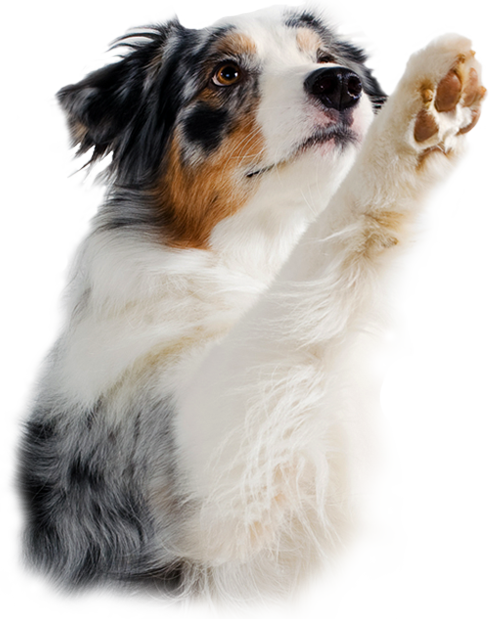
ClayPaws memorials for service and therapy animals
Using ClayPaws kits for memorials of service and therapy animals creates a tactile record of an animal’s working life. A paw-print impression captures pad shape, scale and marks left by years of movement, while a written account records what the animal did. For a guide dog, hospital therapy dog or retired police canine, the keepsake honours both the individual and the people whose routines changed through its presence.
The kit gives veterinary teams a practical way to support bereavement after euthanasia or sudden death. It offers families something to make together without replacing a funeral, burial or counselling. A ClayPaws® impression works best within a wider remembrance plan: pair it with photographs, the animal’s story and clear information about after-death body care. In Australia, that care follows the rules of the relevant state or territory, while the memorial can reflect the family’s culture, budget and preferred setting.
Why working animals deserve a distinctive memorial
Service and therapy roles require different language. An assistance dog supports a person with disability, whereas an animal-assisted therapy dog visits hospitals, classrooms or aged-care settings; police, military and rescue animals have other titles. A memorial should reflect the contribution rather than call every working animal a pet. Federal protections associated with the Disability Discrimination Act 1992, together with state and territory rules, shape how assistance animals are recognised in public life.
For teams in Sydney, Melbourne, Brisbane and regional districts, that distinction is meaningful. Clients may remember a companion at home, a colleague in a veterinary hospital or an animal that supported a veteran, child, grief counsellor or NDIS participant. Naming the role in a tribute recognises work that household portraits can overlook.
Practices can draw on the professional resource library for grief-support brochures, client handouts and instructional videos. These materials can introduce paw-print making as an optional remembrance activity, answer practical questions and reassure families that declining it is equally acceptable.
Preparing the kit with veterinary care in mind
Timing matters. The paw should be clean and dry before the clay is used, and injury, swelling or pain should be considered. If the animal cannot stand comfortably, do not force a stance to obtain an impression; the veterinary team can advise on a safer alternative. After euthanasia, families may keep the paw at home, ask the clinic to complete the impression or request preparation of the remains for burial, cremation or collection.
At the clinic, prepare the workspace before the family arrives. Open and explain the kit, work on a clean, level surface and allow the impression to dry according to the instructions. Keep the conversation centred on the animal rather than the task. Mentioning favourite routines, a toy or its response to applause can make the moment personal without becoming distressing.
A veterinary setting also requires careful consent and infection control. Keep the kit away from clinical instruments, wash hands between handling remains and memorial materials, and follow biosecurity procedures. When a family wants to make the impression at home, send the kit with written guidance and agree on timing with the veterinary team before collection. This option suits regional, rural and remote clients accustomed to ordering pet-care supplies online.
Making the impression personal and durable
The paw print is the centrepiece, not the whole biography. Add the animal’s name, dates, role and stories that explain its personality. For a therapy dog, this might be the ward where it settled onto a bed; for a service dog, the route it learned during severe weather. A photograph in uniform or harness can sit beside the impression, but accurate captions matter more than ceremonial styling.
When a print is transferred to fabric, the base material affects longevity. This Spanish-language guide to fabric weight and durability explains the value of a substantial weave and careful finishing. Densely woven cotton or similar material can reduce abrasion and sagging, while lighter fabric may need backing or framing. Test any transfer method on the chosen textile rather than assuming all materials accept the same finish.
Australian homes need protection from sunlight, heat and humidity, while busy clinics may handle the memorial repeatedly. Store dried clay in a closed cabinet, use archival-quality adhesive where appropriate, and dust framed pieces without cleaning the impression itself. Digital photographs provide a backup if a keepsake is posted, moved or damaged.
Planning memorial details and presentation
A short planning sheet prevents the memorial from becoming an all-or-nothing project. Gather the following information before choosing products or wording:
- The animal’s registered name, nicknames, dates and working role.
- The organisation, household or community supported by its work.
- An achievement or daily task that explains the role.
- Traits noticed by colleagues, handlers, clients or family.
- Preferences for language, symbols, privacy and cultural elements.
The same worksheet can guide the presentation:
- A framed impression with a name panel for a home or clinic.
- A shadow box combining the paw print, photograph and tribute.
- A remembrance card for colleagues or clients who never met the animal.
- A memorial page with a digital image, story and donation link.
- A small clay keepsake for each close family or team member.
Keep the items proportionate to the animal’s role and the family’s wishes. A single framed paw print can carry more dignity than a crowded arrangement, especially when money has also gone towards medical care, funeral expenses or support for others. If colleagues contribute, agree on one shared design before ordering so the result feels connected.
Keeping the memorial connected to the community
A memorial becomes richer when it preserves relationships as well as objects. An online cichlid resource demonstrates how a specialist community can keep knowledge about a living environment alive; the same principle applies to a clinic’s archive of a working animal’s temperament, routines and impact. A work photograph may be as moving as the impression, while a colleague’s recollection gives family and future staff a sense of the animal’s presence.
Client communication should continue after the memorial is made. Sensitive conversations about grief, normalising tears and deciding whether a remembrance object should remain private or join the practice’s display all need care. Families in cities often appreciate digital copies for relatives, while regional clients may prefer printed guidance sent by courier.
Local funeral professionals, cemeteries, veterinary networks and community groups can support a coherent farewell. Council and state requirements differ for private burial and disposal of remains, so practices should direct clients to verified local information. Australian veterinary teams can coordinate these relationships while keeping the family’s choices at the centre.
Comparing memorial formats before ordering
A clay impression is strongest when tactility and symbolism matter, but it should complement the way the family wants to remember. Compare formats against the animal’s role, available space, delivery distance and likelihood that the memorial will be handled or shared.
| Memorial format | What it preserves | Main strength | Practical limitation |
|---|---|---|---|
| Clay paw impression | Pad pattern and physical connection | Tactile and personal | Requires drying and careful display |
| Framed photograph | Appearance and familiar surroundings | Familiar and versatile | No tactile detail |
| Digital tribute | Story, images and shared messages | Easy to distribute | Depends on screen access |
| Printed keepsake | Name, role and selected imagery | Affordable and giftable | Less personal than original clay |
Photo and digital options can be prepared quickly and are less fragile, whereas clay offers a distinctive keepsake for working teams. If the clinic receives the impression centrally, label it with the family’s details before drying, decorating or dispatching, and store client information securely. Additional client-facing wording is available in the practice wisdom blog for practices explaining aftercare, keepsakes and follow-up.
Invite the veterinary team and family to discuss a ClayPaws kit as part of the care plan, select the details that matter most and arrange a calm time to make the impression. Share the finished memorial only with consent, continue bereavement support and let every family choose the pace and format that feel right.