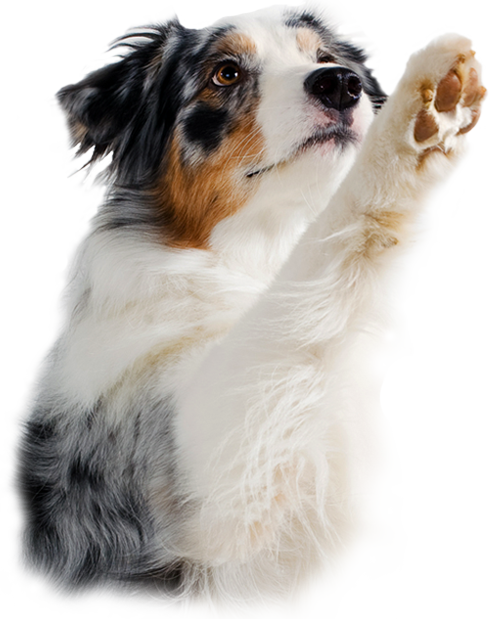
Why paw prints matter: the psychology behind a small, lasting gesture
The end of a pet's life is one of the hardest moments a family will face, and Australian veterinary teams meet that moment more often than many people realise. With around 30 million pets sharing homes across the country, the average suburban practice in Sydney, Brisbane or Perth will guide families through goodbye dozens of times a year.
For veterinarians and nurses, the practicalities of euthanasia are familiar. What is harder to teach is the emotional choreography afterwards. Small gestures, offered at the right moment, can shape how a family remembers their pet for the rest of their lives, and a pressed paw print is one of the simplest of those gestures.
Pet bereavement in Australia carries its own flavour. The bushfire seasons of recent years left thousands of families grieving animals lost in fires, and a national conversation about pet loss has grown louder. The multicultural makeup of Australian cities means grief is expressed in many different ways, and a keepsake that can be held often crosses language and ritual better than words alone.
This piece looks at the psychology behind why a paw print, pressed in clay or ink, can mean so much. It draws on what Australian families, vet nurses and grief counsellors have shared about those quiet moments in the consult room, and what the research says about touch, memory and ritual.
The science of touch and tangible memory
Psychologists have long studied why physical objects help us process loss. When a loved one dies, the brain searches for proof that the relationship was real, and objects that carry the body's imprint engage the senses in a way that images cannot. The texture, the weight and the slight coolness of clay give the brain something it can hold.
Researchers in thanatology have found that tangible mementos reduce complicated grief in the months after a loss, because they anchor an abstract goodbye in something concrete. For Australian families who have lost a pet to fire, flood or sudden illness, the speed of goodbye makes a memento even more important, and the act of pressing a paw into clay slows the moment down. That pause is often when grief can land safely.
Different keepsakes speak to different needs, and understanding the contrast can help a practice choose well.
| Memento | Sensory channel | Best moment to offer | What it tends to evoke |
|---|---|---|---|
| Clay paw print | Touch, sight | Immediately after euthanasia | Tactile comfort, sense of presence |
| Fur clipping | Touch, smell | During body preparation | Closeness, warmth, scent memory |
| Ink print on a card | Sight | During the consult | A visible record, easy to share |
| Sympathy card with a handwritten note | Sight, language | A few days later | Being thought of, validation |
| Family photograph at goodbye | Sight, narrative | Before or during the farewell | Shared memory, story |
Grief rituals and the cultural work of small gestures
Rituals are how human beings make sense of what cannot be fixed. From the quiet scattering of ashes in the Adelaide Hills to memorial gatherings in suburban backyards, the form changes but the function is the same: a ritual marks that something has ended and that it mattered.
A paw print slips neatly into that cultural pattern. It is small enough to be offered without making the moment heavier, but specific enough to feel like a real act. A paw print is unrepeatable, with only one impression belonging to the animal who has just died, and many families extend the ritual at home by placing the print on a mantel and lighting a candle on the anniversary of the loss. Small tools of remembrance, like a dependable memorial lighter, quietly become part of that annual moment.
Why offering a paw print reshapes client loyalty
Veterinary practices are businesses, even on the hardest days, and clients remember how they were treated at the end of a pet's life long after they forget the cost of a vaccination. Australian vet teams often hear the same feedback months later: a family will say they never went back to a clinic because the goodbye felt cold.
This is the psychology of peak experiences. The final moments of a pet's life are an emotional peak, and what happens at that peak frames every memory that follows. Teams that train every nurse in how to offer a ClayPaws loyalty approach report stronger word-of-mouth, fewer complaints and steadier revisit rates, because the gesture becomes part of the practice's identity.
What Australian families say about keepsakes
Talk to a grief counsellor in Perth or a vet nurse in regional Queensland and a pattern emerges. Families rarely say they wish they had been given fewer mementos, but they sometimes say they wish someone had explained what the objects were for. A paw print left in a drawer with no explanation is a small tragedy that happens more often than practices realise.
The language Australian families use is also worth noting. A Sydney pet parent might describe their dog as their "best mate" and mean it literally, and the loss of that mate can sit alongside the loss of a person. A keepsake offered respectfully, without a sales pitch, is received as part of the care, and practices that quietly include mementos in their end-of-life protocol often hear back from clients months later with a simple message of thanks.
Common missteps practices make with keepsakes
Even with the best intentions, the offering of a paw print can be handled in ways that miss the mark. A few patterns show up again and again in feedback from Australian clients, and they are worth naming so they can be avoided.
The physical space matters more than many teams realise. A consult room that smells strongly of disinfectant and has harsh overhead lighting can make any keepsake feel clinical. Some practices have begun to soften the room with gentle ambient aromatherapy, a dimmer lamp and a small throw over the exam table, so the moment of pressing the print feels less medical and more intimate.
A small list of things to watch for:
- Offering the print while the owner is still deciding about being present.
- Charging for the kit at the front desk before the family has had a moment to breathe.
- Leaving the print in a generic plastic bag with no name or note.
- Assuming only dog and cat owners will want one, even though rabbits, birds and reptiles matter too.
- Skipping the conversation about what the print is and how the clay hardens.
Building a keepsake protocol that feels natural
The practices that handle this well in Australia do not improvise. They have a clear, simple protocol that every team member can follow, so that no matter which vet or nurse is on the day, the family receives the same quality of care.
Training is the heart of any protocol. A nurse who has made a paw print under supervision will do it calmly on a difficult day, and that confidence transfers to the family in the room. A nurse who has not been shown how the clay behaves will hesitate, and hesitation at the wrong moment can undo the meaning of the gesture.
A useful structure for an end-of-life keepsake conversation:
- Mention the keepsake option at the start of the discussion, not at the very end.
- Keep the kit in a quiet drawer in the consult room, not behind reception.
- Train the whole team, not just the senior vet, in how to make a clean impression.
- Pair the print with a handwritten sympathy card a few days later.
- Build a small library of follow-up resources for families who ask for more support.
The work of supporting a family through the loss of a pet is never going to be easy, and no protocol can remove the weight of those consult-room moments. What teams can do is shape the small details so the goodbye is remembered as gentle and human. A clay paw print, offered at the right moment, is one of the simplest ways to do that. Browse the full product range available through Veterinary Wisdom Professionals, and start a quiet conversation with your team about how your practice handles this part of the work.