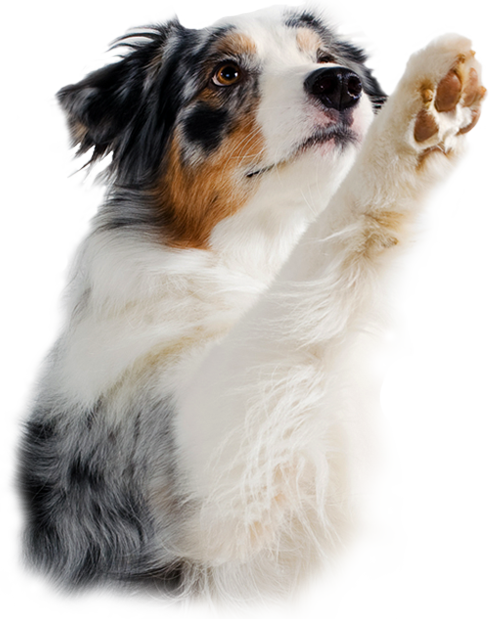
Making ClayPaws keepsakes during in-home euthanasia visits
Compassionate euthanasia at home lets a pet remain in familiar surroundings while a veterinary team provides end-of-life care. For many Australian families, that safety matters when a pet dislikes travel, waiting rooms or the sights and smells of a clinic. A calm visit can create room for difficult conversations and acts of remembrance that feel more personal at home. Learn more about Teaching Clients How To Preserve A Pet S Collar And Tags 386903.
Using ClayPaws kits during in-home euthanasia visits creates a tangible reminder of the animal whose life is being gently ended. A paw impression preserves size, shape and texture, while giving the veterinarian, nurse or technician a supportive task. The kit does not replace consent, clinical judgement or good aftercare; it helps the team care for the patient and the people who will grieve them. Learn more about Bengalfriendly.com.
Plan the kit before leaving the clinic
Before leaving, confirm which ClayPaws kit is being taken, read the instructions and check that each packet is intact. Agree who will prepare the material and who will speak with the family. In Australian practices, nurses and technicians may lead practical aspects under veterinary delegation, but responsibilities should follow clinic policy and the rules in that state. Learn more about Cichlidka.com.ua.
Pack the kit on a clean, stable tray rather than loose in a vehicle. Add gloves, hand-cleaning supplies, a damp cloth, paper towel, a pencil and a small box for the finished print. Choose a flat, dry surface with good light. In Perth’s heat or Brisbane’s humidity, keep spare clay sealed and away from direct sun. Learn more about Creating A Pet Loss Grief Support Brochure For Your Waiting Room 207561.
Set expectations and obtain consent
Discuss the paw print before the appointment, preferably on a pre-visit call or at the start of the visit. Explain what the family will see, that the result varies with anatomy, and that the main impression is usually made after the team confirms death. Ask whether they want to watch, help label it or take photographs. Clear options prevent surprise and preserve control.
Consent should cover euthanasia, aftercare and any keepsake. Do not treat the impression as an extra that a distressed client must answer for immediately. Some Australians say “putting the pet to sleep”, while others prefer “euthanasia”; use the family’s wording and explain the procedure plainly. For cat handling, [Bengal owner information] can help staff recognise questions about temperament, while the individual animal’s behaviour remains the priority.
Make the paw impression gently
When the time arrives, support the animal and the limb being used. For a dog or cat, inspect the chosen paw for mud, adhesive or damp fur. Wipe the pads gently with a damp cloth and dry them thoroughly, since debris will be reproduced instead of skin lines. Rest the paw naturally without tightening it or forcing the pads apart.
Open and condition the clay exactly as the kit directs. Press the paw into it with steady, even pressure while supporting the animal’s body and the metacarpal or metatarsal area. Aim for a clear impression, not an exaggerated deep imprint. Stop if the animal shows discomfort, movement that could cause a slip, or the clay tears or spreads.
Lift the paw slowly and check the result in good light. Make another impression only if the instructions permit and the family wants to try. Avoid repeatedly pressing the same paw, which can blur the print or stress a sedated patient. Set each impression on the flat surface and handle its edges rather than the centre.
Keep the print within the clinical workflow
Timing should follow the family’s wishes and the practice’s clinical protocol. A pre-euthanasia print is possible when the animal is comfortable and settled, but it must not delay or distract from euthanasia. Sedation can alter muscle tone, and an anxious animal may not tolerate handling. Explain that this option may differ from a print made after death and let the family choose with veterinary guidance.
Most families make the print after the veterinarian has confirmed death and before the body is moved for cremation, burial or home-care preparation. A nurse can make it while the family sits with the pet, or the family can help if ready. Pause if grief or concern about post-mortem handling makes the moment feel rushed. Keep the task calm and never make it a performance.
Preserve details that give the print meaning
Once the clay is fully set according to the instructions, preserve it in its supplied packaging or a rigid box. Write the pet’s name, date and a short family message on the outer container rather than pressing ink onto the impression. If two prints were made, give each family member one or keep one for the practice’s records with permission. Photographs can join the bereavement file.
The paw print often means more when paired with the animal’s everyday identity. Collar, name-tag and microchip details can be photographed, copied onto a memorial card or preserved as objects. This guide on [preserve collar and tags] explains how to record those details without flattening the collar or removing something emotionally important. Check identifying information before displaying it in the clinic, and never publish a full microchip number without explicit agreement.
Continue support after the visit
End-of-life care does not finish when the pet leaves. Give the family a written summary of what happened, the veterinarian’s contact details, the aftercare option and any promised collection, delivery or keepsake arrangements. This is useful in regional New South Wales, Queensland, Tasmania or WA, where follow-up may involve a long drive, courier or several days before a bereavement conversation can occur. A named nurse contact can make the next step feel less impersonal.
Use waiting-room and take-home resources to normalise grief, including for clients who cannot discuss the loss during the appointment. A professionally prepared [waiting-room grief brochure] can prompt private conversations, explain common reactions and show that support continues after cremation or burial arrangements are complete. Offer digital resources as well as printed copies, and ask what contact the family wants rather than assuming everyone needs a support group.
Adapt the process for different companion animals
The basic process suits dogs and cats, but smaller mammals, birds and reptiles need species-specific positioning and handling advice. A calm household is not automatically suitable for every patient, so the veterinarian should assess the setting, the animal’s condition and any risk to family members or other pets. For other companion animals, have a species-appropriate plan for confirming death, making a record and completing aftercare.
Aquarium patients require particular care because water quality, tankmates and environmental conditions affect what can be done safely at home. For families keeping cichlids and other fish, [aquarium-specific support] may offer ideas about tank shutdown and memorial keepsakes, although international advice should be checked against local veterinary and aquarium guidance. Preserve the animal’s dimensions and markings without compromising remaining fish or rushing euthanasia outside the veterinarian’s instructions.
Veterinary teams can make this process consistent by ordering ClayPaws kits in advance, adding bereavement resources to client packs and assigning a named nurse to explain each step. Prepare the tray, confirm the plan at the pre-visit call and make sure the family knows what the keepsake can show before the appointment begins.
Order ClayPaws kits and matching sympathy materials through the Veterinary Wisdom Professionals online store, then give every home-euthanasia visit the same thoughtful choice: whether, when and how the family would like to preserve their pet’s paw.