From kennel to keepsake: tracing a ClayPaws impression
In clinics from Sydney's inner west to regional Queensland, the moment a paw is pressed into soft clay is one many vets and nurses come to remember years later. A ClayPaws kit turns a heavy goodbye into something a grieving family can hold, hang on the wall, or tuck into a memory box. The impression itself takes only a minute to make, yet the path it travels from the consult room to a shelf at home is longer than most people expect.
Australia is one of the most pet-loving countries on earth. Roughly seven in ten households share their home with at least one companion animal, and the bond often runs deep enough that the loss deserves more than a clipboard and a polite handshake. That is why ClayPaws impression kits have found a quiet place on the supply shelves of practices in Brisbane, Perth and Adelaide, and why more than a few mobile vets carry one in the boot. The journey from a stainless-steel kennel table to a framed keepsake has a few gentle stages, and each one matters.
The quiet moment in the consult room
Most impressions are made right after euthanasia, while the family is still close and the pet is calm. Some clinics offer the kit earlier, during the last consult when end-of-life care is being discussed, so the option is on the table before anyone is crying. Either way, the team member who places the clay needs a steady hand and a soft voice.
Talking families through body care and memorial options is half the work. Practical guides for that conversation exist, and the How to Talk to Clients About Body Care Without Adding Stress resource walks through wording that lowers the temperature in the room. The kit, the cards, the brochures all sit quietly in a drawer until the right moment arrives. Usually the family says yes when they are invited, often with a quiet "yeah, alright mate". No one is made to feel they have to take it home.
Pressing the clay into a memory
The kit itself is a small, deliberate thing. A disc of soft clay sits inside a cardboard ring, ready for a paw, a nose or even a tiny hoof print. The handler rolls the clay flat, places it on a firm surface, and gently presses the chosen feature into it for a few seconds, no more. Too much pressure smudges the print; too little leaves a faint impression nobody can read.
It is a craft the whole team can learn, and that is part of the point. Vet nurses often become the keepers of the technique, training new staff each intake. Once the print is clean, the ring is left to set for a short time before being moved. Some practices frame the disc on the spot in a small timber box, others slide it into a velvet pouch and let the family choose the framing later.
Planners often ask how a single paw print fits into a fuller farewell. A Planning a Pet Memorial Service: A Guide for Veterinary Teams helps practices shape the entire service around small gestures like this one, tying the impression into readings, candles and the urn.
Comparing keepsake options
Clay is not the only keepsake on the market, and most practices offer two or three formats side by side. The table below puts the most common options next to each other so teams can talk to families about what suits them best.
| Keepsake format | What it captures | Best for | Care needs |
|---|---|---|---|
| ClayPaws disc | Detailed paw or nose print in air-dry clay | Families wanting a tactile, framed piece | Let dry 24-48 hours; keep out of direct sun |
| Ink print on card | Two-dimensional paw print on paper or card | Quick keepsakes, kids' crafts, sympathy cards | Store flat, away from moisture |
| Fur clipping | Snippet of coat, sometimes braided | Long-haired breeds, scent keepsake | Airtight jar or sachet; replace every few years |
| Memorial photo | High-resolution portrait, sometimes with the family | Families who share images online or in print | Digital backup recommended |
| Paw cast in resin | Three-dimensional impression set in clear resin | Heirloom-style displays | Brittle if dropped; handle with care |
Each of these formats has a place, and most Australian practices find that families often take more than one. A ClayPaws disc pairs well with a fur clipping and a photograph, layering texture and memory without doubling the work for the team. The cost of the kit is modest compared to the moment it holds, which is why so many clinics bundle it into their standard euthanasia package rather than charging extra.
From the table to the mantelpiece
Once the impression is set, the real care begins. The clay needs a quiet, dry spot to harden, away from air-conditioning vents that crack the surface and windows that bleach the colour. Most clinics have a small drying rack in the back office, somewhere out of view of the waiting room. The disc is usually labelled with the pet's name and the date in soft pencil before the clay dries, because ink runs and markers bleed into the surface.
When a family chooses home euthanasia, the impression often rides back to the house with the body and the urn, packed into a small box that fits on the passenger seat. Mobile services find this part of the job quietly rewarding. Teams offering a mobile vet service often note that a paw print made on the living room rug, with the dog still on his favourite blanket, carries a different weight than one made on a clinical table. The drying and the framing happen at the family's pace, not the clinic's, and that matters.
A few weeks later, many families bring the impression back for a small bronze memorial, or send a photograph of the finished frame sitting next to a favourite toy. Those images tend to make their way onto practice walls, posted with permission, so the next family who says yes can see what they are agreeing to.
Helping teams feel ready
Even seasoned nurses find the first print hard. Hands shake, the clay gets warm from being held, and the dog is heavier than expected. A little rehearsal takes the edge off, and the pointers below come from practices that have rolled out kits well.
Practical pointers for clinics rolling out impression kits
- Set up a small memory station in a back room with the kit, a tape measure, soft pencils and a label template.
- Train at least two team members per shift so the kit is never far from someone who knows the feel of the clay.
- Offer the option early, before sedation, so the choice belongs to the family rather than the moment of grief.
- Pair the impression with a sympathy card and a small brochure on pet-loss support lines, including Lifeline and the Australian Veterinary Association's grief resources.
- Keep a sample framed impression in the consult room so families can see what they will be taking home.
- Photograph finished pieces, with consent, for the practice's memory wall and for staff debriefs.
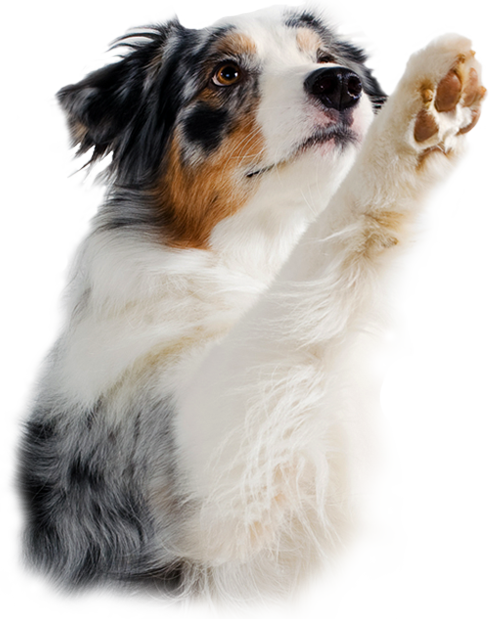
The bond between dog and owner shapes how the grieving plays out. People who live with Australian shepherds know this instinctively, as the breed's strong herding instincts see them shadow their people from room to room. That closeness is the very thing families grieve hardest, and a clay print keeps a little of it on the mantel for years.
Browse the ClayPaws impression kits and the wider range of after-death care resources at Veterinary Wisdom Professionals, where Australian practices can find everything from sympathy cards and grief-support brochures to instructional videos and body-care guides. A minute of gentle pressing today can become a family's anchor for years to come.