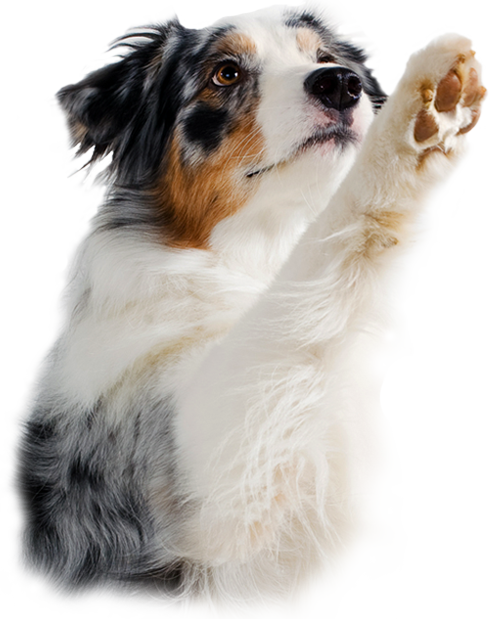
Explaining Paw-Print Keepsakes Before Pet Euthanasia
A paw-print keepsake can give a grieving family something tangible to hold after a beloved pet has died. For many pet parents, the small impression of a paw becomes a lasting reminder of daily life together: walks along a Melbourne beach, naps in a Brisbane home, or quiet companionship on a regional property.
The conversation is most helpful when it happens before euthanasia, while the family can still absorb information and make choices. A calm explanation allows them to decide whether they would like a clay impression, ink print, or another after-death memento without feeling rushed during the final moments.
Veterinary teams can introduce the option with warmth, clarity, and respect. The aim is never to add pressure or turn a deeply personal farewell into a transaction. It is to make sure pet parents know what is available and understand how the process can fit their wishes, cultural practices, and budget.
Choose A Gentle Moment
The best time to mention a paw-print keepsake depends on the family and the circumstances. During a planned euthanasia appointment, a nurse or veterinarian may raise aftercare options when discussing cremation, burial, transport, or the practical steps that follow death. This gives clients time to listen before emotions become overwhelming.
Use plain, compassionate language. “Some families choose to have a small clay impression of their pet’s paw made as a keepsake. Would you like me to explain how that works?” is clear without assuming the answer. In Australia, “keepsake” and “memory item” are familiar terms, while “memento” may feel more formal for some families.
For an emergency euthanasia, the conversation may need to be brief. A simple mention, followed by an offer to provide details later, can be enough. Families arriving from outer Sydney, rural Victoria, or a long drive to a referral hospital may already be coping with fatigue and shock.
Explain What The Keepsake Is
A paw-print keepsake is usually an impression made in a soft, workable material such as air-drying clay. The veterinary team gently presses the paw into the clay, removes it carefully, and allows the impression to cure. Some practices offer a single print, while others can prepare several impressions for family members.
Explain that the result is an individual mark rather than a perfect artistic reproduction. Fur between the pads, nail length, paw size, and the pet’s position can affect the impression. This honest explanation helps prevent unrealistic expectations and reassures clients that small variations are part of what makes the piece personal.
Some families may prefer a front paw because it is larger or gives a clearer print. Others may want a back paw, nose print, name, date, or a small inscription. Practices should explain which choices are available, how the finished item is protected, and whether it is collected at the clinic or sent to the family.
Describe The Process Without Pressure
Pet parents often want to know whether the procedure will hurt. A paw print can usually be taken after the pet has died, so the animal does not experience discomfort. If a family requests a print while their pet is alive, the team should assess whether handling the paw is calm and appropriate, particularly if the animal is painful, frightened, or heavily sedated.
Let families know that the team can manage the practical details. They do not need to watch the print being made, and they can leave the room at any stage. A veterinary nurse might say, “We can take care of this for you, and we will keep it as gentle and private as possible.”
The ClayPaws paw-print kits used by many veterinary professionals are designed to support consistent, respectful handling. A clinic can explain its own workflow, including who prepares the impression, how it is labelled, and when the family can expect to receive it.
Offer Clear Choices For Different Families
A keepsake conversation should leave room for different beliefs and preferences. Some families want several paw prints for children, grandparents, or a partner. Others prefer no physical item, or may choose a fur clipping, collar, photograph, sympathy card, or written tribute instead.
Avoid describing a paw print as something every loving owner should have. Grief can make even small decisions feel burdensome, and a client may feel guilty if they decline. A respectful response is, “That is completely okay. We will follow your wishes and focus on caring for you and your pet.”
Australian households can include shared-care arrangements, blended families, or relatives living interstate. Confirm who has authority to make aftercare decisions, especially when a pet belongs to a family business, farm, rescue organisation, or couple who are not both present. Clear consent protects the family and the practice.
Prepare Families For Timing And Cost
Before euthanasia, explain whether the keepsake is included in the clinic’s aftercare service or charged separately. If there is a fee, state it plainly and provide written information where possible. Families should know whether postage, additional impressions, engraving, or special finishing incurs an extra cost.
Timing also matters. Some clinics return a cured clay print within a few days, while others coordinate with a crematorium or an external supplier. Public holidays, courier delays, and travel between metropolitan and regional areas can extend delivery times. A family in Far North Queensland may receive an item on a different schedule from a client in inner-city Adelaide.
A short handout can record the selected options, the pet’s name, the number of prints, and the nominated contact person. This reduces errors when a busy clinic is coordinating euthanasia, body care, private cremation, and return of ashes.
Give The Team Consistent Language
Every staff member should be comfortable introducing memorial products in a way that sounds caring rather than scripted. Reception staff can mention that the nurse will discuss keepsakes during the appointment. Nurses can explain the process, while veterinarians can reinforce that the choice is entirely the family’s.
Training is especially useful for new graduates, casual staff, and practices with after-hours services. In Australian clinics, the person speaking with the family may be a vet nurse in a small country practice, a veterinarian in a 24-hour emergency hospital, or a mobile vet visiting a home. Consistent information helps clients receive the same standard of care across settings.
A practical conversation guide can help teams find language that is natural, sensitive, and adaptable. Role-play can cover common responses, including “I’m not sure,” “Can we decide later?” and “My children would like one.”
Support The Conversation With Practical Details
Visual examples can make the idea easier to understand, especially for clients who have never seen a clay paw impression. Keep one or two finished samples in a quiet consultation area rather than displaying them prominently at reception. A discreet setting lets families look without feeling observed.
The following details are useful to explain before the appointment:
- Whether the print is taken before or after cremation
- Which paws, sizes, or inscription options are available
- How the clay is dried, finished, labelled, and stored
- The expected collection or delivery timeframe
- The total price and any additional charges
Written information is valuable when grief affects concentration. Give the family a card or handout with the practice phone number, aftercare contact, and instructions for changing their mind. If a mobile vet is involved, confirm whether the item travels with the pet to the clinic, crematorium, or family home.
Families may also need information about other memorial choices. Present these options gently and avoid overwhelming them with a catalogue of products:
- A clay or ink paw print
- A fur clipping in a keepsake envelope
- A name tag, collar, or favourite toy
- A sympathy card or handwritten tribute
- A return of ashes in a selected urn
A practice can adapt the conversation to the pet’s personality and the family’s circumstances. An older person living alone may value a small item that is easy to hold, while children may appreciate a print they can decorate or place beside a photograph. Cultural, religious, and personal wishes should guide every decision.
Make The Farewell Feel Personal
The value of a paw-print keepsake comes from its meaning, not its size or finish. A quiet explanation can help families recognise that this simple impression may become part of a memory box, a bedside display, or a tribute shared with relatives who could not attend the euthanasia.
Ask permission before touching the pet or discussing extra memorial details. Speak about the animal by name, use the family’s preferred terms, and allow silence. “We can make a print of Ruby’s paw if that would be meaningful for you” is more personal than presenting a generic product list.
After the appointment, document the family’s wishes clearly and check that the keepsake is paired with the correct pet record. Thoughtful handling at this stage shows that the clinic understands the relationship behind the request and will treat the final memory with care.
Build paw-print keepsakes into your euthanasia and aftercare workflow with gentle wording, transparent costs, and reliable follow-through. A prepared team can give Australian pet families space to choose a meaningful remembrance while protecting the dignity of the pet and the people who love them.